


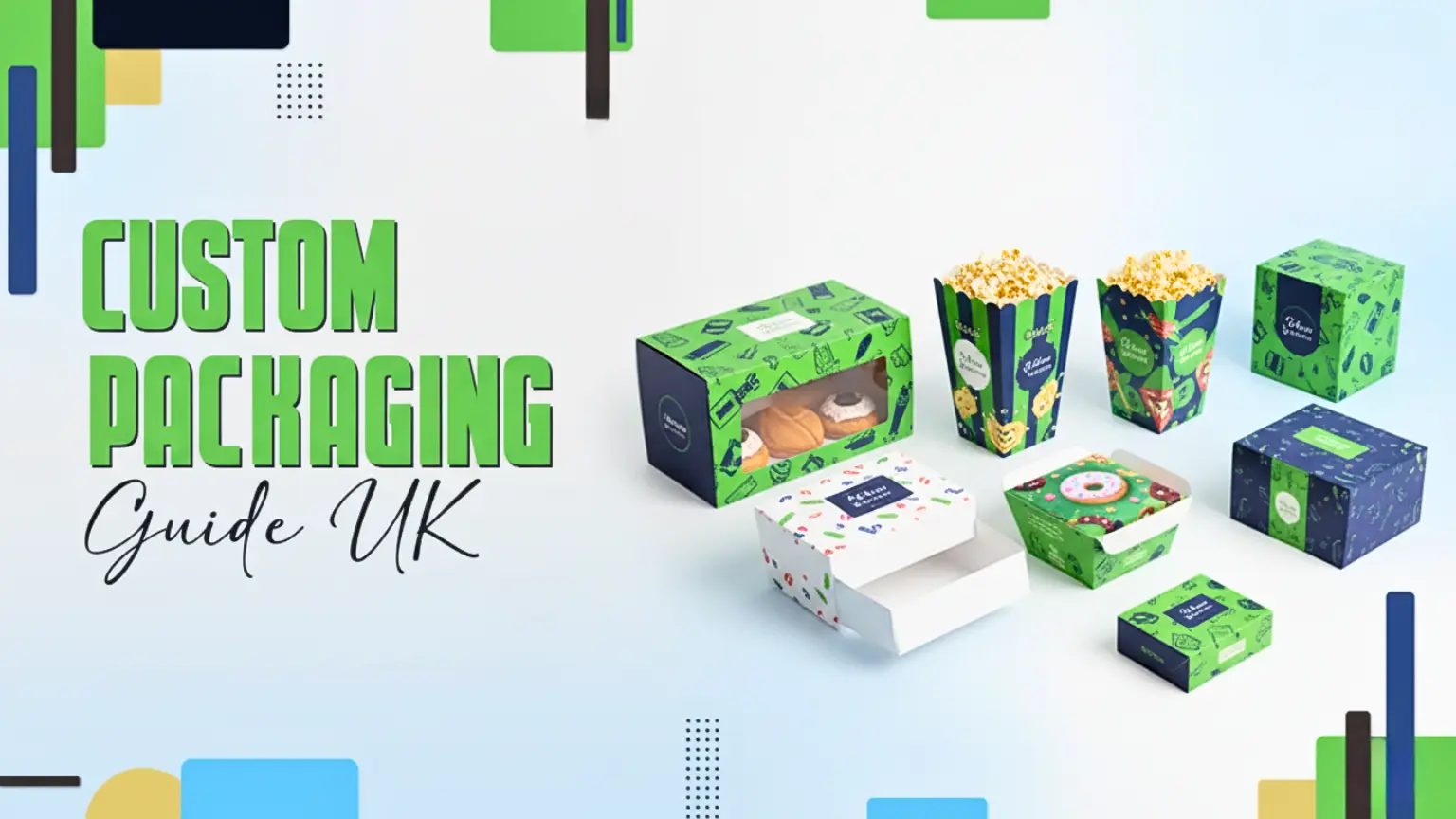
Custom packaging isn’t only about looking good. In the UK it’s a practical business tool: it protects products in transit, communicates your brand, supports efficient fulfilment, and increasingly connects to sustainability and compliance expectations.
Online shopping habits are a big reason packaging matters more than ever. UK “internet sales as a percentage of total retail sales” remains structurally higher than pre-pandemic levels, which means more goods are shipped to homes and handled by courier networks. That creates real packaging challenges: vibration, stacking pressure, moisture exposure, and higher chances of dents or scuffs.
This guide is written for business owners, e-commerce teams, and product brands who want to understand custom packaging without jargon—and make better decisions from the start.
What is custom packaging?
Custom packaging is packaging that’s designed or adapted for your product and brand needs, rather than using generic, “one-size” stock packaging.
Customization can include:
- Structure & size: exact dimensions, mailer style, inserts, dividers, locking tabs
- Material selection: corrugated board, kraft, paperboard, rigid board, recycled options
- Printing & finishes: logos, brand colours, compliance info, coatings, foils
- Functional features: tamper evidence, tear strips, protective inserts, ventilation holes
The goal usually falls into three categories:
- Protection (reduce damage, returns, complaints)
- Brand & trust (look professional, consistent, premium where needed)
- Efficiency (faster packing, lower void fill, better storage, fewer errors)
A helpful way to think about it: custom packaging is a system, not a box. The best results come when structure, materials, print, and shipping realities work together.
How custom packaging works (from idea to finished box)
If custom packaging feels overwhelming, break it into a simple workflow.
1) Understand the product and shipping reality
Start with the facts:
- Product dimensions and weight
- Fragility (glass, electronics, cosmetics, liquids)
- Shipping method (letterbox, parcel, freight)
- Storage conditions (humidity, heat, stacking)
- Returns risk (is it expensive to replace?)
If your product ships frequently via courier networks, packaging strength and right-sizing matter more than aesthetics.
2) Choose a structure (packaging style)
Structure decides how the packaging opens, locks, and protects. Common UK structures include:
- Mailer boxes (popular for e-commerce and subscription boxes)
- Corrugated shipping boxes (strong transit protection)
- Folding cartons (retail cartons with good print surfaces)
- Rigid boxes (luxury presentation)
The right structure reduces movement inside the box and can lower your need for void fill.
3) Select materials based on performance and brand
Material choice affects:
- Crush resistance and stacking strength
- Print quality and finish compatibility
- Sustainability profile (recyclability, recycled content)
- Cost per unit (especially at scale)
4) Decide what must be printed (brand + information)
Printing isn’t only for logos. Depending on your product, printing can include:
- Product info, instructions, warnings
- Batch/lot codes (or space for labels)
- Disposal/recycling guidance
- Barcodes or SKU systems
5) Sample before you scale
Sampling is where you catch expensive mistakes early:
- Is the fit correct?
- Does it survive normal shipping stress?
- Is the text readable and colour consistent?
- Is packing fast for your team?
6) Production and quality checks
Good suppliers will check:
- Dimensions and tolerances
- Glue integrity and fold alignment
- Print registration and consistency
- Material thickness/grade consistency
Custom packaging vs standard packaging
Both have a place. The key is choosing the right option for your stage.
Standard (stock) packaging works best when:
- You need packaging immediately
- You’re testing product demand
- The product is low-risk to ship (not fragile, not premium)
- Branding isn’t essential yet
Custom packaging is usually worth it when:
- You see damage/returns or scuffing
- You want stronger repeat buying and trust
- You’re scaling and need a consistent brand presentation
- You need better packing efficiency
- Your category requires clear information and compliance labelling
A simple decision rule:
- If your product is fragile, premium, high margin, or high return-risk, custom packaging tends to pay back faster.
Types of custom packaging commonly used in the UK
To choose well, it helps to understand the “taxonomy” (categories).
Primary vs secondary vs transit packaging
- Primary packaging touches the product (e.g., inner carton, sleeve, bottle label)
- Secondary packaging groups primary packaging (e.g., a box holding multiple units)
- Transit/shipping packaging protects the shipment (e.g., corrugated shipper, mailer)
Popular formats
- Corrugated boxes for shipping and protection
- Mailer boxes for e-commerce presentation and unboxing
- Folding cartons for retail shelf visibility
- Rigid boxes for luxury gifting and premium cosmetics
- Inserts for protection (paper-based, molded pulp, etc.)
Where you sell affects what you need:
- E-commerce → durability + speed + right-sizing
- Retail → shelf impact + product information clarity
- Subscription → unboxing + consistent monthly packing
Materials used in custom packaging (plain-English breakdown)
Corrugated cardboard
Best for: shipping, stacking, protection
Why it’s popular: strong for its weight and widely recyclable
Use when: you ship parcels and want reduced damage risk.
Paperboard (folding carton board)
Best for: retail cartons (cosmetics, dry goods, lightweight items)
Strength: good print surface, but usually less protective than corrugated for shipping.
Kraft packaging
Best for: natural aesthetic, eco positioning, many retail applications
Important: “Kraft” doesn’t automatically equal sustainable; sustainability depends on sourcing and overall design (material mix, coatings, inks, recyclability).
Rigid board
Best for: premium/luxury presentation
Trade-off: costs more, often heavier, but strong on perceived value.
Printing & finishing (what matters for UK brands)
Printing methods (high level)
- Offset: high quality, often cost-effective at higher volumes
- Digital: great for short runs, quick versioning, seasonal boxes
- Flexographic: common for corrugated/industrial packaging needs
Finishes (use them for function first)
- Lamination/coating: helps with scuff resistance and handling
- Spot UV: highlights logos/patterns
- Foil: premium look, but not always necessary
- Emboss/deboss: tactile branding that feels “expensive.”
User-first tip: pick finishes that help durability, readability, and brand clarity before decorative extras.
UK packaging compliance & EPR (what you need to know)
I’m not a lawyer, but here’s the practical version: UK policy is structured to make producers take more responsibility for packaging waste.
Extended Producer Responsibility (EPR) for packaging
The UK government has published guidance and documents that show EPR base fees for year 1 (2025–2026), and explains that liable producers may need to pay fees relating to the packaging they supply or import.
A UK Parliament Commons Library briefing describes how producers pay fees based on the amount/type of household packaging they supply, and notes the government estimates that shifting the cost from local authorities to producers totals around £1.2 billion annually.
Why this matters for packaging decisions:
- Material choices and recyclability can become cost-relevant
- Reporting and packaging data accuracy can matter
- Over-packaging can become expensive (and reputationally damaging)
If you’re unsure whether you’re “in scope,” start with GOV.UK EPR guidance and fee documents for the current framework.
Sustainability: what customers expect (and what’s real)
Sustainability claims need to be clear, not vague. People are increasingly willing to reward sustainable choices, but they also scrutinize greenwashing.
PwC’s 2024 Voice of the Consumer survey reports consumers are willing to pay an average 9.7% more for sustainably produced or sourced goods.
What this means for packaging:
- “Eco-friendly” should be explained: recyclable? recycled content? Compostable where facilities exist? Reduced material?
- Avoid mixed materials that are hard to separate
- Reduce void space and unnecessary inserts
- Add simple disposal guidance if appropriate (helps users and reduces confusion)
Often, the most sustainable packaging move is also the best operational move: right-size the box and reduce extra materials.
Industries that rely on custom packaging (UK-relevant)
Different industries use packaging for different reasons. Here are common examples:
E-commerce & DTC brands
- Needs: protection, fast packing, unboxing, fewer returns
- Context: UK online retail penetration remains significant
Food and beverage
- Needs: clear information, safe handling, and sometimes more strict compliance expectations.
Cosmetics & personal care
- Needs: premium appearance, clear usage info, tamper cues, brand trust.
Retail & gifting
- Needs: shelf impact, seasonal versions, presentation.
Health products / pharma-adjacent
- Needs: clear information, consistent quality, and sometimes tamper evidence.
Benefits of custom packaging (the outcomes businesses actually feel)
1) Reduced damage and returns
Better fit and stronger materials can reduce product movement and crush damage.
2) Stronger brand recognition
Consistent packaging builds familiarity and trust—especially for repeat purchase categories.
3) Better customer experience
Packaging is part of the product experience. Easy opening, clean design, and secure protection all matter.
4) Operational efficiency
Right-sizing and smart structure can reduce:
- packing time
- tape use
- void fill
- warehouse space (depending on design)
5) Sustainability improvements
Less material, better recyclability, and fewer returns all support sustainability goals.
Common mistakes (and how to avoid them)
- Over-packaging
Big boxes with lots of void fill cost more and frustrate customers. - Designing for looks only
Pretty packaging that fails in shipping becomes expensive quickly. - Picking materials without performance thinking
Strength and handling vary by board grade and structure. - Ignoring compliance responsibilities
EPR and waste responsibilities can impact costs and reporting. - Skipping sampling/testing
Sampling is cheaper than a full run mistake.
How to choose the right custom packaging (simple checklist)
Use this as a decision framework:
Product & protection
- What can break, leak, scuff, or deform?
- Do you need an insert/divider?
Shipping reality
- Letterbox or parcel?
- Stacking exposure?
- Moisture risk?
Brand needs
- Minimal vs premium?
- Need multiple variants (SKUs, flavours, shades)?
Sustainability goals
- Can you reduce material?
- Can you simplify to improve recyclability?
Budget & scale
- Short-run now, scale later?
- Do you need flexible printing for changes?
The future of custom packaging in the UK
Expect packaging decisions to be influenced by:
- E-commerce growth pressure (more parcels, more handling stress)
- EPR frameworks and evolving fees
- Higher consumer expectations for sustainability and clarity
- Smarter design: right-sizing, fewer materials, better recyclability
Conclusion: treat packaging as a system
Custom packaging works best when you treat it as a connected system:
product → structure → materials → printing → shipping → compliance → customer experience.
If you get the foundation right, you’ll usually see fewer damages, more consistent branding, smoother operations, and stronger customer trust.
FAQs
1) What is the difference between custom packaging and custom boxes?
Custom packaging is the broader term (boxes, inserts, sleeves, labels, protective solutions). Custom boxes are one part of custom packaging.
2) Is custom packaging worth it for small businesses?
Often yes—especially if you ship fragile items or want strong branding. Many small businesses start with short runs and then scale once they validate demand.
3) What materials are best for shipping in the UK?
Corrugated packaging is commonly used for shipping because it balances strength, weight, and recyclability. The best choice depends on product weight and fragility.
4) Does “kraft” automatically mean eco-friendly?
Not always. Kraft can be part of a sustainable strategy, but sustainability depends on sourcing, coatings, inks, and whether the final packaging is easy to recycle.
5) How does EPR affect packaging choices in the UK?
EPR introduces fees and responsibilities for certain producers based on packaging type and amount, so material and design choices can affect cost and compliance obligations. GOV.UK+1
6) What should I include on printed packaging?
At minimum: brand identification and any essential product information. Some categories need additional information (ingredients, warnings, usage instructions), depending on regulations and channel requirements.