


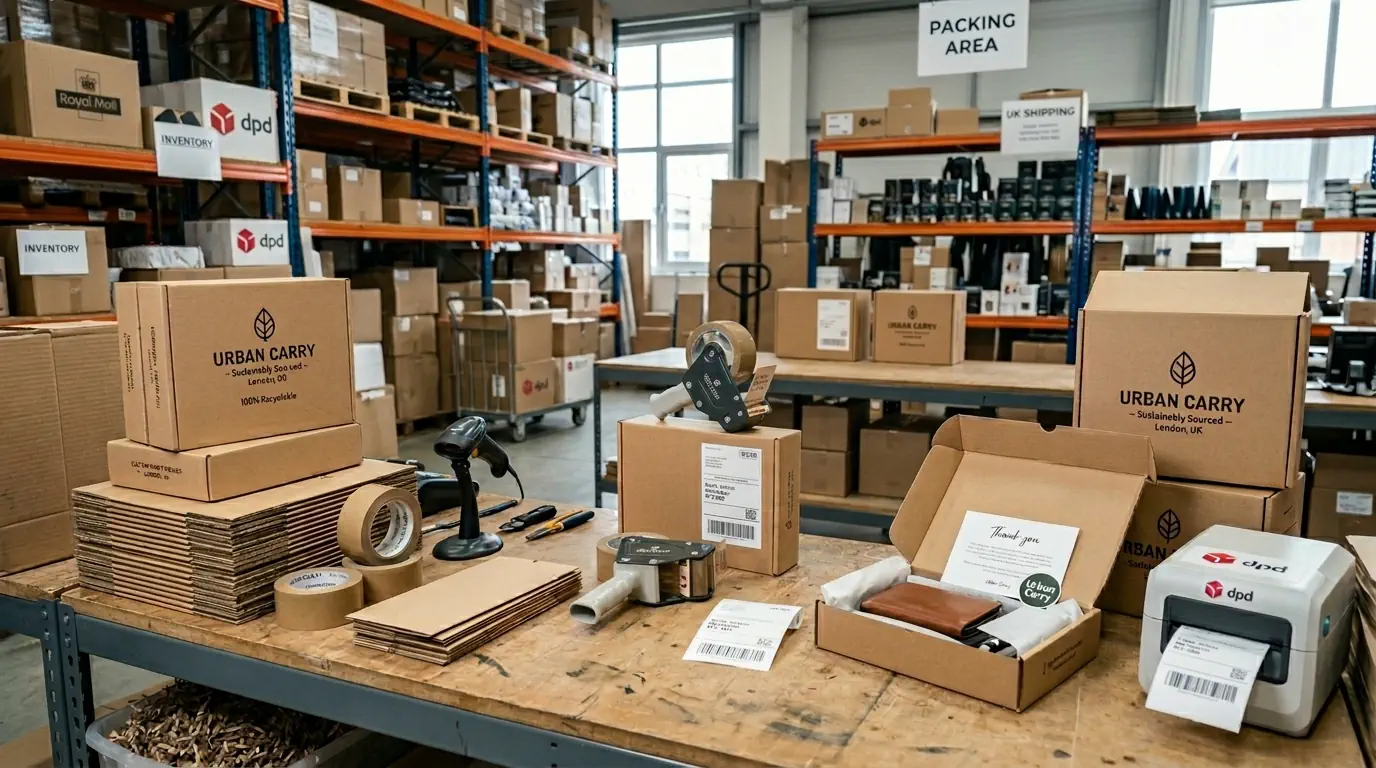
Launching an ecommerce brand in the UK requires more than just sourcing products and building a website. Packaging plays a critical role in product protection, regulatory compliance, sustainability, logistics efficiency, and brand perception.
For ecommerce startups, packaging mistakes can lead to:
-
damaged shipments
-
regulatory penalties
-
higher shipping costs
-
poor customer experience
Understanding UK packaging guidelines ensures your brand stays compliant while delivering a premium unboxing experience.
This guide explains UK packaging laws, ecommerce shipping standards, sustainability rules, and best practices for startups and growing brands.
Why Packaging Matters for Ecommerce Brands
In ecommerce, packaging is not just a protective layer — it is a functional, regulatory, and marketing component.
Well-designed packaging helps businesses:
1. Protect Products During Shipping
Online orders pass through multiple logistics stages including:
-
warehouses
-
sorting facilities
-
delivery vans
-
doorstep handling
Protective packaging reduces returns and damage claims.
2. Build Brand Identity
Custom packaging improves:
-
brand recognition
-
unboxing experience
-
social media sharing
Many successful ecommerce brands use branded packaging like custom mailers or printed boxes.
For example, startups often use custom shipping mailers or subscription boxes to reinforce their brand image.
Brands commonly choose packaging solutions like:
-
branded shipping cartons
Businesses looking for premium ecommerce packaging often use **custom mailer boxes from British Custom Boxes to create a memorable unboxing experience.
3. Reduce Shipping Costs
Packaging directly affects dimensional weight (DIM weight) used by couriers.
Oversized packaging increases:
-
shipping costs
-
storage costs
-
environmental footprint
Optimized packaging reduces logistics expenses.
UK Packaging Regulations Ecommerce Brands Must Know
Selling products in the UK requires compliance with packaging regulations covering environmental impact, product labeling, and recycling responsibilities.
1. Extended Producer Responsibility (EPR)
One of the most important regulations affecting ecommerce packaging is Extended Producer Responsibility (EPR).
EPR requires businesses to take responsibility for the entire lifecycle of packaging waste they place on the market.
Businesses must:
-
collect packaging data
-
report packaging materials
-
pay waste management fees
Companies are obligated if they:
-
have annual turnover above £1 million
-
place more than 25 tonnes of packaging on the UK market.
This regulation affects:
-
ecommerce brands
-
manufacturers
-
importers
-
online marketplaces
2. Packaging Waste Reporting Requirements
Businesses supplying packaging must report:
-
packaging type
-
packaging material
-
packaging weight
-
packaging activity (filling, importing, or selling).
The goal is to help regulators understand how much packaging enters the UK market and improve recycling systems.
3. Plastic Packaging Tax
The Plastic Packaging Tax was introduced in April 2022 to encourage sustainable materials.
The tax applies when plastic packaging contains less than 30% recycled plastic.
Businesses importing or manufacturing 10 tonnes or more of plastic packaging annually must register and pay the tax.
Current tax rate:
-
about £200 per tonne of plastic packaging
This regulation encourages ecommerce brands to switch to:
-
recycled plastics
-
cardboard packaging
-
biodegradable materials
4. Recycling Label Requirements
Under upcoming recycling reforms:
-
Packaging must include recyclability labels
-
both primary and shipping packaging must be labeled.
These labels help consumers dispose of packaging correctly.
Mandatory Information Required on Product Packaging
Depending on product type, packaging may require specific information.
Common packaging label requirements include:
Product Information
-
product name
-
product description
-
quantity or weight
-
batch number
Business Information
-
brand name
-
manufacturer address
-
country of origin
Safety Information
-
warning labels
-
safety instructions
-
usage guidelines
Identification Codes
-
barcode (EAN/UPC)
-
SKU numbers
-
QR codes
Without proper labeling, ecommerce products may face:
-
marketplace removal
-
customs delays
-
regulatory penalties
Ecommerce Shipping Packaging Requirements
Shipping packaging must protect products from damage during logistics operations.
Packaging used for ecommerce orders should meet several criteria.
1. Strong Outer Packaging
Shipping boxes should be made from corrugated cardboard with high burst strength.
Double-wall cardboard is recommended for:
-
fragile items
-
electronics
-
glass products
Businesses frequently use custom shipping cartons or mailer boxes for ecommerce fulfillment.
Many ecommerce startups choose custom printed mailer boxes from us because we combine branding with protective packaging.
2. Proper Cushioning Materials
Protective packaging materials reduce impact damage.
Common protective fillers include:
-
kraft paper
-
corrugated inserts
-
biodegradable packing peanuts
-
molded pulp inserts
Fragile products often require die-cut inserts or custom box partitions.
3. Secure Sealing
Boxes must be sealed with:
-
strong packaging tape
-
tamper-evident labels
-
adhesive strips for mailers
4. Correct Box Size
Using the correct box size is important because:
-
smaller boxes reduce shipping costs
-
oversized packaging wastes materials
-
tight packaging prevents product movement
Packaging optimization improves operational efficiency.
Sustainable Packaging Requirements for UK Ecommerce
Sustainability has become a major priority for regulators and consumers.
Modern ecommerce packaging should focus on:
-
recyclability
-
compostability
-
minimal material usage
1. Use Recyclable Materials
Common recyclable materials include:
-
cardboard
-
kraft paper
-
molded pulp
Corrugated cardboard remains one of the most widely recycled packaging materials in the UK.
2. Reduce Plastic Packaging
Plastic should be minimized whenever possible.
Alternatives include:
-
paper mailers
-
biodegradable fillers
-
recyclable cardboard boxes
These materials help brands avoid plastic packaging tax penalties.
3. Design Minimal Packaging
Minimal packaging reduces:
-
material costs
-
shipping weight
-
environmental impact
Sustainable packaging design often focuses on right-sized packaging.
Best Packaging Materials for Ecommerce Brands
Selecting the right packaging materials improves both customer experience and shipping performance.
Here are the most commonly used ecommerce packaging materials.
Corrugated Cardboard Boxes
Corrugated cardboard is the most widely used packaging material for ecommerce.
Benefits include:
-
high durability
-
lightweight structure
-
recyclability
Corrugated boxes are ideal for:
-
electronics
-
cosmetics
-
clothing
-
subscription boxes
Kraft Mailer Boxes
Mailer boxes are popular for ecommerce brands because they combine shipping and retail packaging.
Benefits include:
-
easy assembly
-
strong structure
-
premium presentation
Paper Mailers
Paper mailers are lightweight and eco-friendly packaging options.
They are commonly used for:
-
apparel
-
books
-
small accessories
Biodegradable Fillers
Biodegradable fillers replace traditional plastic fillers.
Examples include:
-
shredded kraft paper
-
honeycomb paper wrap
-
compostable packing peanuts
These materials improve sustainability.
Packaging Design Tips for Ecommerce Startups
Smart packaging design improves both operational efficiency and customer satisfaction.
Here are some practical strategies.
1. Design for the Unboxing Experience
Customers often share unboxing videos on social media.
Adding branding elements like:
-
thank-you cards
-
branded tissue paper
improves brand perception.
2. Optimize Packaging for Logistics
Packaging should be designed for:
-
warehouse storage
-
courier handling
-
pallet stacking
Standard box dimensions simplify logistics.
3. Test Packaging Before Launch
Packaging testing helps identify potential shipping issues.
Tests may include:
-
drop tests
-
compression tests
-
vibration tests
Testing prevents product damage during shipping.
Common Packaging Mistakes Ecommerce Startups Make
Many ecommerce startups overlook packaging strategy during early growth stages.
Here are some common mistakes.
Oversized Packaging
Using large boxes for small products increases shipping costs.
Right-sized packaging improves efficiency.
Poor Protective Packaging
Insufficient cushioning causes product damage.
This leads to:
-
refunds
-
replacements
-
negative reviews
Ignoring Packaging Compliance
Failure to follow UK packaging regulations may result in:
-
fines
-
product recalls
-
marketplace restrictions
Non-Sustainable Packaging
Consumers increasingly prefer environmentally friendly packaging.
Brands using excessive plastic may lose customer trust.
Ecommerce Packaging Checklist for UK Startups
Before launching your ecommerce brand, ensure your packaging meets these requirements.
Compliance Checklist
comply with UK packaging regulations
track packaging materials for EPR reporting
ensure labeling requirements are met
Shipping Checklist
Choose strong corrugated packaging
Use protective fillers for fragile items
test packaging for shipping durability
Sustainability Checklist
Use recyclable materials
minimize plastic packaging
design right-sized boxes
Final Thoughts
Packaging is one of the most overlooked aspects of ecommerce, yet it directly impacts:
-
product safety
-
regulatory compliance
-
customer experience
-
sustainability goals
For ecommerce startups in the UK, following packaging guidelines ensures that your brand remains compliant while delivering high-quality products to customers.
Whether you’re launching a new ecommerce store or scaling your existing brand, investing in high-quality packaging solutions can significantly improve both logistics performance and brand perception.
Businesses looking to enhance their ecommerce packaging strategy often choose custom packaging solutions like mailer boxes and shipping cartons from us to combine product protection with strong brand presentation.