 Skip to content


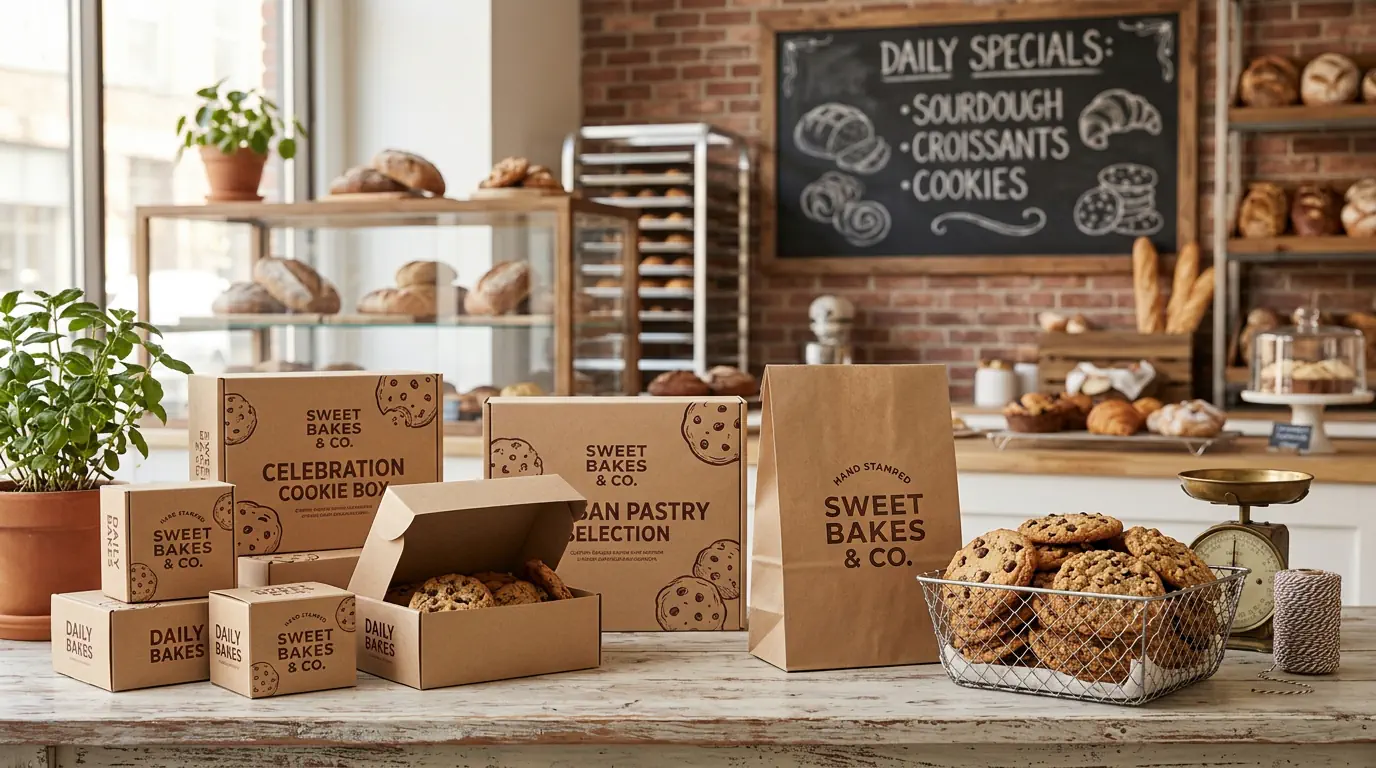
If you’re wondering how to ship baked goods safely and professionally, you’re in the right place. Whether you’re a home baker selling on Etsy, a small bakery sending orders nationwide, or simply posting brownies to a friend, getting it right matters.
Shipping baked goods isn’t just about popping them in a box and hoping for the best. Freshness, presentation, and protection all play a huge role in customer experience. A beautifully baked treat can quickly become a crumbled disappointment if poorly packaged.
In this complete guide, we’ll walk you through everything you need to know about shipping baked goods across the UK — from choosing the right items to ship, to selecting couriers, packaging properly, keeping products fresh, and avoiding costly mistakes. We’ll also share expert packaging advice used by professional bakeries, including insights from the team at Britishcustomboxes.co.uk, specialists in custom bakery boxes that UK businesses rely on.
Let’s get started.
Which Baked Goods Ship Well?
Not all baked goods are created equal when it comes to posting them. Some travel brilliantly. Others… not so much.
Best Baked Goods for Shipping
These items generally hold their shape and flavour during transit:
-
Biscuits & cookies
-
Shortbread
-
Brownies & traybakes
-
Flapjacks
-
Blondies
-
Cake pops
-
Loaf cakes (banana bread, lemon drizzle, etc.)
-
Cupcakes (with proper inserts)
These goods are:
-
Structurally sturdy
-
Lower in moisture
-
Less temperature-sensitive
-
Able to handle minor movement
They’re ideal for both personal gifting and commercial shipping of baked goods.
Trickier Items to Ship
Proceed with caution when sending:
-
Cream-filled cakes
-
Fresh cream desserts
-
Meringues
-
Delicate iced celebration cakes
-
Cheesecakes
-
Highly decorated layer cakes
These are fragile, perishable, and temperature-sensitive. If you do ship them, they often require insulated packaging, next-day delivery, and careful structural support.
UK Food Regulations for Home Bakers
If you’re shipping commercially (not just gifting), you must:
-
Register your home kitchen with your local council (at least 28 days before trading)
-
Follow Food Standards Agency (FSA) guidelines
-
Use food-safe packaging and UK-compliant materials
-
Provide allergen information
-
Ensure correct labelling
Always check your local authority’s guidance before selling baked goods.
How to Package Baked Goods for Shipping
This is where most problems happen. Knowing how to package baked goods for shipping properly makes the difference between a glowing review and a refund request.
Let’s break it down step by step.
Step 1 — Choose Food-Safe Inner Packaging
Before your baked goods go anywhere near a shipping box, they need proper inner protection.
Use:
-
Cellophane bags
-
Greaseproof paper
-
Food-safe tissue paper
-
Clingfilm (for loaf cakes and brownies)
Key rule: never let food touch non-food-safe materials directly.
Wrap Individually or in Batches?
-
Biscuits & decorated cookies: Wrap individually to prevent rubbing and icing damage.
-
Brownies: Wrap individually or tightly as a batch.
-
Cupcakes: Place in inserts before boxing.
Airtight sealing is essential. Exposure to air causes staleness. Seal cellophane bags properly with adhesive strips or heat sealers for commercial orders.
Step 2 — Choose the Right Box
Your outer box is critical.
Avoid flimsy, thin cardboard that crushes under pressure. Instead, choose:
-
Rigid cardboard boxes
-
Double-wall corrugated boxes for shipping
-
Correct sizing (no excessive empty space)
Too big: Items shift and break.
Too small: Items get crushed.
This is where investing in properly sized custom bakery boxes, provided by UK suppliers, makes sense. British Custom Boxes offers sturdy, food-safe bakery packaging in a variety of sizes — helping small businesses avoid movement and reduce damage while also enhancing branding.
Kraft vs White vs Windowed Boxes
-
Kraft boxes: Natural, eco-friendly aesthetic
-
White boxes: Clean, premium look
-
Windowed boxes: Great for retail presentation (less ideal for long shipping without extra protection)
For courier shipping, durability always comes first.
Step 3 — Use the Right Cushioning
Even sturdy boxes need internal padding.
Best options:
-
Shredded tissue paper
-
Crinkle paper
-
Bubble wrap (never directly touching food)
-
Foam inserts
-
Honeycomb paper wrap
Layer your packaging like this:
-
Cushioning at the bottom
-
Inner-wrapped baked goods
-
Cushioning around the sides
-
Cushioning on top
Then perform the “shake test”:
Gently shake the box.
If anything moves — add more padding.
Nothing inside should shift.
Step 4 — Seal It Properly
Use strong packing tape, not basic sellotape.
-
Tape all seams securely
-
Reinforce corners for heavier parcels
-
Double-box fragile items like cupcakes or decorated biscuits
Double-boxing means placing your bakery box inside a larger shipping carton with cushioning between them. This dramatically reduces damage risk.
Step 5 — Label Clearly
Always include:
-
“Fragile” label
-
“This Way Up” label (if orientation matters)
-
Return address
-
Recipient address clearly printed
Including a handwritten note or branded thank-you card enhances customer experience. Small touches build loyalty.
Best Packaging Materials for Shipping Baked Goods
Choosing the best packaging for baked goods depends on what you’re sending.
1. Boxes
Plain brown boxes
-
Affordable
-
Functional
-
Less branding impact
-
Professional appearance
-
Brand recognition
-
Better fit and sizing
-
Stronger material options
For small businesses, custom bakery packaging can improve perceived value dramatically.
2. Bubble Wrap
Use bubble wrap:
-
Around inner boxes
-
For double-boxing
-
Around fragile inserts
Never let bubble wrap touch food directly.
3. Cardboard Inserts
Perfect for:
-
Cupcakes
-
Cake pops
-
Delicate biscuits
They prevent vertical and lateral movement.
4. Ice Packs & Insulated Liners
In summer months, butter-based goods can soften.
Use:
-
Gel ice packs
-
Thermal liners
-
Insulated mailers
Avoid over-chilling items that can become damp from condensation.
5. Desiccant Packets
For moisture control (especially with biscuits), food-safe desiccant packets can help prevent sogginess during transit.
How to Keep Baked Goods Fresh During Shipping
Freshness is everything.
Bake at the Right Time
-
Bake 1–2 days before shipping
-
Never bake the same morning and ship immediately (steam = condensation)
Cool Completely
Warm baked goods release moisture. If sealed too soon, condensation forms — leading to soggy textures.
Always cool fully before wrapping.
Use Airtight Packaging
-
Heat-sealed cellophane
-
Proper clingfilm wrapping
-
Secure box closures
Avoid Strong Smells
Don’t mix highly flavoured goods (e.g., mint brownies) with delicate vanilla biscuits.
Shelf Life in Transit
-
Biscuits: 5–7 days
-
Brownies: 5–6 days
-
Loaf cakes: 5–7 days
-
Cupcakes: 2–4 days
For best results, aim for 1–2 day delivery.
Choosing the Right UK Courier for Shipping Baked Goods
Courier choice matters just as much as packaging.
Royal Mail
-
Ideal for small, lightweight parcels
-
Tracked 24 or 48 options
-
Reliable national coverage
Great for shipping cookies UK-wide in smaller boxes.
Evri (Hermes)
-
Budget-friendly
-
Widely accessible
-
Reliability can vary
Suitable for non-urgent, sturdy items.
DPD
-
Next-day delivery
-
Excellent tracking
-
Higher reliability
Ideal for delicate or higher-value orders.
Parcelforce
-
Good for heavier parcels
-
Express services available
Key Factors to Consider
-
Delivery speed
-
Tracking availability
-
Cost
-
Weekend delays
Avoid posting on Fridays.
You don’t want baked goods sitting in a depot over the weekend.
For sending cakes in the post UK-wide, next-day delivery is strongly recommended.
Shipping Costs for Baked Goods in the UK
Costs vary based on:
-
Weight
-
Dimensions
-
Courier
-
Speed
Approximate ranges:
-
Small parcel (under 2kg): £3–£6
-
Medium parcel (2–5kg): £6–£12
-
Next-day services: £6–£15+
How to Reduce Costs
-
Use right-sized boxes
-
Avoid excessive empty space
-
Keep packaging efficient
Oversized packaging increases dimensional weight charges. Using correctly sized custom bakery boxes UK businesses trust — like those from Britishcustomboxes.co.uk — can help minimise wasted space and control shipping fees.
How to Package Specific Baked Goods
Cookies & Biscuits
-
Stack flat
-
Separate layers with parchment
-
Wrap the batch tightly in cellophane
-
Pad edges heavily
Ideal for shipping cookies customers who order online.
Brownies & Traybakes
-
Cut evenly
-
Wrap individually
-
Pack tightly together
-
Add parchment between layers
Cupcakes
-
Use cupcake inserts
-
Ensure lids don’t touch icing
-
Double-box for courier transit
Loaf Cakes
-
Wrap in greaseproof paper
-
Then wrap in clingfilm
-
Place snugly in sturdy box
Decorated/Iced Biscuits
-
Wrap individually
-
Cushion generously
-
Consider rigid mailer boxes
Cake Pops
-
Wrap in cellophane
-
Use pop holder inserts or foam base
-
Prevent stick movement
Common Mistakes to Avoid When Shipping Baked Goods
-
Shipping on a Friday – risks weekend delays.
-
Skipping the shake test – movement = breakage.
-
Using a box that’s too large – items shift and crumble.
-
Not baking ahead – condensation ruins texture.
-
Choosing slow delivery – freshness suffers.
-
Forgetting “Fragile” labels – handlers won’t know.
-
Using inferior, crush-prone boxes – quality bakery packaging protects your reputation.
-
Overpacking with unnecessary weight – increases shipping costs.
Frequently Asked Questions
Can you send baked goods through Royal Mail?
Yes. Royal Mail allows non-perishable baked goods, provided they’re securely packaged and comply with their prohibited items list.
How do you keep baked goods fresh when shipping?
Cool completely, wrap airtight, use correct box sizing, and choose 1–2 day tracked delivery.
What is the best way to package cookies for shipping?
Stack with parchment between layers, wrap tightly in cellophane, place in a snug box, pad thoroughly, and perform the shake test.
How long do baked goods last in the post?
Most items remain fresh for 2–5 days in transit. Always aim for next-day delivery where possible.
Do I need special packaging to sell baked goods from home in the UK?
Yes. Packaging must be food safe, properly labelled (including allergens), and suitable for transport without contamination.
Conclusion
Mastering how to ship baked goods UK-wide isn’t complicated — but it does require care. Choose the right items, wrap them properly, invest in sturdy boxes, cushion thoroughly, and select a reliable courier.
Great packaging protects your product, preserves freshness, and enhances your brand. Whether you’re sending brownies to family or running a growing online bakery, your packaging speaks volumes before your customer even takes a bite.
If you’re ready to upgrade your bakery packaging, explore the custom bakery boxes range at British Custom Boxes, designed for UK bakers who want durability, food-safe materials, and professional presentation.