 Skip to content


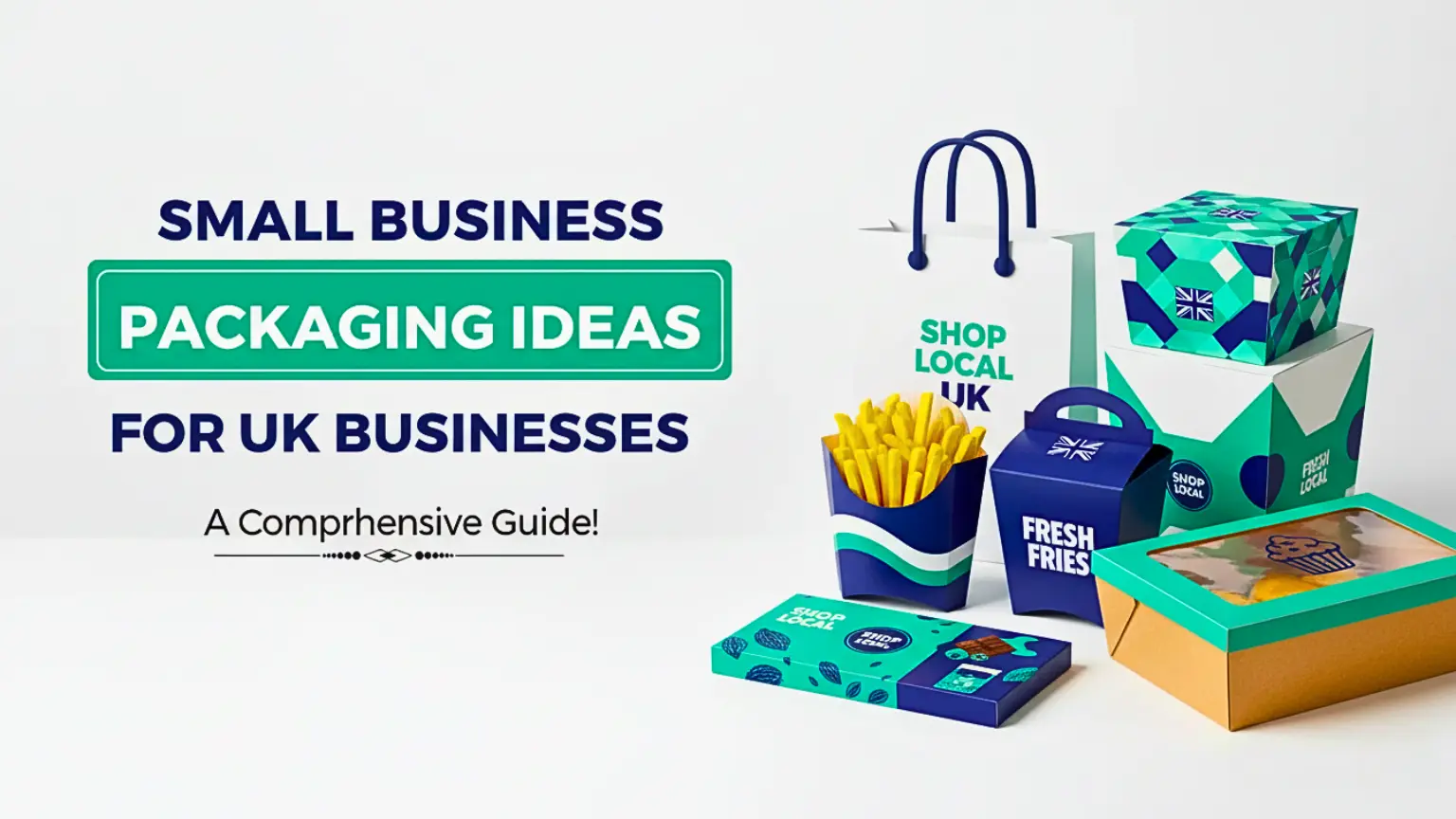
If you run a small business, packaging can feel like a cost you have to swallow. But it’s also one of the few marketing tools your customer literally holds in their hands.
Good packaging does three things at once:
-
Protects your products (fewer refunds, replacements, and bad reviews)
-
Builds brand trust (customers feel they bought from a “real” brand)
-
Creates an experience (unboxing photos, repeat orders, word of mouth)
This guide is written for UK small businesses—especially ecommerce sellers (Shopify, WooCommerce, Etsy, TikTok Shop), subscription brands, and handmade businesses. It’s not just a list of cute ideas. It’s a complete playbook covering box styles, materials, inserts, shipping realities, sustainability, cost control, and what to do next.
Quick start: the “best” packaging idea is the one that fits your product and your shipping method
Before you buy anything, answer these five questions:
-
What are your product dimensions (L × W × H) and weight?
-
How fragile is it (low / medium / high)?
-
Does it scratch/scuff easily (e.g., candles, cosmetics, glossy items)?
-
How do you ship most orders in the UK (Royal Mail / courier / both)?
-
What’s your current order volume per month?
If you can answer those, you can choose packaging that looks great and keeps costs predictable.
Step 1: Build a simple packaging “system” (not just a box)
Most small businesses waste money by making packaging decisions one-off, order-by-order. Instead, create a repeatable system:
1) Primary packaging (the main box or mailer)
This should do most of the protection work.
2) Stabilisation (insert or padding)
Stops movement inside the box—movement is what causes most damage.
3) Branding layer (print, sticker, tape, message)
What makes it feel like your brand.
4) One “useful” insert
Something that helps the customer: care instructions, how-to guide, reorder QR, returns info.
5) Standard sizes
Pick 2–4 core sizes that cover most orders. This reduces stock complexity and speeds up packing.
Step 2: Choose the right packaging style (UK small business-friendly)
Here’s a straightforward guide to the most common box styles and when to use them.
Mailer boxes (best all-rounder for ecommerce)
Best for: clothing, gifts, subscription boxes, handmade goods, accessories
Why: strong unboxing experience and solid protection
User-first benefit: customers open them easily, and they feel “premium” without extra effort
Folding cartons (retail-style packaging)
Best for: skincare, cosmetics, small accessories, supplements (where applicable)
Why: looks like a retail product, lightweight, great for crisp printing
User-first benefit: the product feels more “official” and giftable
Shipping cartons (outer boxes)
Best for: heavier products, multi-item orders, fragile bundles
Why: strength and stacking resistance
User-first benefit: fewer breakages in transit
Rigid boxes (premium presentation)
Best for: luxury gifting, high-ticket items, PR/influencer packages
Why: premium feel and keepsake value
User-first benefit: customers perceive higher value immediately
Letterbox-friendly packaging (when your product allows it)
Best for: slim items, small gifts, apparel accessories
Why: convenience and fewer missed deliveries
User-first benefit: customers love “no waiting in” delivery
UK tip: shipping cost is heavily influenced by size and weight, so it’s worth designing packaging that fits common carrier bands (especially if you ship with Royal Mail). Always check the latest official size/weight guidance for the services you use before standardising sizes.
Step 3: Materials & finishes (what customers notice and what actually matters)
Kraft vs white board (simple rule)
-
Kraft: natural, handmade-friendly, hides scuffs, often gives an “eco” impression
-
White: crisp colours, clean premium look, best for bold branding
Corrugated strength (shipping reality)
If you ship fragile or heavier goods, corrugated packaging + insert beats “pretty but weak” every time.
Finishes (what they communicate)
-
Matte: modern, premium, understated
-
Gloss: vibrant and bold, but can show fingerprints
-
Uncoated kraft: artisan, natural, tactile
33 Packaging Ideas for Small Business (UK)
To keep this genuinely useful, the ideas below are grouped by what they’re meant to achieve: better branding, better unboxing, better protection, greener packaging, lower cost, or more repeat orders.
A) Branding upgrades (low cost → high impact)
These are the upgrades that make small brands look established without overspending.
1) One-colour logo on the box
Minimal print can look more premium than an over-designed box.
2) Branded sticker seals
Use them to seal tissue, close a mailer, or brand a plain carton.
3) Branded packing tape
Perfect if you’re using standard shipping cartons—instant brand recognition.
4) A consistent colour palette
Pick 1–2 brand colours and repeat them across box, tissue, sticker, and insert card.
5) Inside-lid message (mailer boxes)
A short line like “Packed with care in the UK” makes a big difference.
6) Simple icon system
Small icons for “recyclable”, “fragile”, “thank you”, and “made in the UK” can look professional and helpful.
7) QR code that helps (not random)
Link it to: reorder page, care instructions, tutorial video, or support.
8) Seasonal sleeve instead of reprinting boxes
A printed sleeve lets you do Christmas/Eid/Valentine’s without changing your core packaging.
9) Brand story card (short and human)
One paragraph: who you are, where you’re based, what you stand for.
10) “How to contact us” printed clearly
A support email/URL reduces customer anxiety and improves trust.
B) Unboxing experience (the part people share)
11) Tissue paper + sticker seal
Low cost, high perceived value.
12) Layered reveal
Tissue → thank-you card → product. The sequence feels intentional.
13) A handwritten line (even on a printed card)
One sentence can turn a basic order into a memorable one.
14) A neat fold, not messy fill
Customers judge brands on neatness. Tidy beats “more stuff”.
15) “Share your unboxing” prompt
Include your handle + a simple hashtag. Great for UGC.
16) Product “care” card
This is underrated. It reduces returns and improves satisfaction.
17) Free sample (only if relevant)
Skincare sample, mini wax melt, sachet—keep it aligned with what they bought.
18) Thank-you offer that feels like a reward
A small discount, early access, or a free shipping code for next time.
C) Inserts that drive repeat purchases (without being pushy)
19) Reorder card with QR
Make it easy to buy again from a phone.
20) “Pairs well with…” card
Suggest a bundle that genuinely helps the customer.
21) Referral card
“Give a friend X% off, get X% off” can work well for small brands.
22) Aftercare + troubleshooting QR
Cuts support emails and improves product results.
23) Returns/instructions mini-card
Even if you don’t include a return label, clear instructions build trust.
D) Protection ideas that reduce damage, refunds, and stress
These matter more than aesthetics once you scale.
24) Right-size packaging (biggest win)
Oversized boxes = more void fill + higher shipping + more movement = more damage.
25) Inserts to stop movement
Die-cut inserts for fragile items (candles, bottles) are a game-changer.
26) Dividers for multi-item orders
Prevents products from scuffing each other.
27) Double-wall corrugated for heavier products
If your items are heavy, strength pays for itself in fewer replacements.
28) Corner protection for fragile edges
Corners take the hits in transit.
29) Paper-based padding that stays tidy
Crumpled kraft paper or paper cushioning looks cleaner than random fillers.
30) “Fragile” marking (use carefully)
It helps, but don’t rely on it—design for impact first.
31) Test your packaging like a customer’s parcel
See the “testing” section below—this saves money.
E) Eco-friendly packaging ideas (practical, not performative)
Customers increasingly want packaging that’s easy to dispose of responsibly.
32) Use paper-based protective materials where possible
Paper cushioning and board inserts are easier to recycle than mixed materials.
33) Make disposal instructions clear
A small line like “Recycle box with paper” reduces confusion and increases trust.
Sustainability tip: The most eco-friendly packaging is often less packaging—right-sizing and fewer layers reduce waste and shipping emissions.
UK shipping realities (what small businesses wish they knew earlier)
Design around size bands
In the UK, shipping costs can change quickly as parcel dimensions move into a different pricing band. This is why “close enough” packaging sizes become expensive over time.
User-first approach:
-
Standardise a few sizes
-
Measure the packed parcel dimensions (not just product size)
-
Build your packaging choices around the services you use most
Letterbox convenience = happier customers
If your product can be packaged letterbox-friendly (without damage risk), you can reduce missed deliveries and improve customer experience.
Simple packaging testing (do this before ordering in bulk)
You don’t need a lab. Do this with 3–5 packed samples:
-
Pack the order exactly like a real shipment
-
Shake test: if it moves, add an insert or improve padding
-
Drop test (waist height): corner + flat side
-
Compression test: press the top—does it cave easily?
-
Scuff test: rub surfaces—do they mark instantly?
Take notes. If you sell fragile items, this step alone can save you a lot of replacements.
Pick the right packaging for your business type (quick recommendations)
Etsy / handmade gifts
-
Kraft mailer box + tissue + sticker seal + handwritten line
Why it works: looks artisan and thoughtful, easy to repeat
Skincare/cosmetics
-
Folding carton + insert + care card + QR to routine video
Why it works: retail-level trust and fewer “how do I use this?” messages
Candles/home fragrance
-
Strong mailer or shipping carton + die-cut insert + safety/care card
Why it works: protection + a premium unboxing moment
Clothing
-
Mailer box for premium feel + reorder card
Why it works: customers remember the brand and reorder more often
Jewellery / small premium accessories
-
Presentation box + protective outer mailer + care card
Why it works: keeps the product protected while still feeling luxury
Cost control: how to improve packaging without overspending
Packaging gets expensive when you:
-
stock too many sizes,
-
overpack every order “just in case,”
-
add too many manual steps.
A smart upgrade path:
-
stickers + thank-you card
-
tissue + inside-lid message
-
standardise box sizes
-
custom printed boxes
-
inserts for protection and presentation
-
premium finishes for best-sellers or PR kits
Common mistakes (and the better alternative)
Mistake: choosing packaging based only on looks
Better: choose based on product fragility + shipping method + brand goals
Mistake: too many sizes
Better: 2–4 sizes that cover most orders
Mistake: messy unboxing
Better: one consistent “packing sequence” (below)
Mistake: inserts that get thrown away instantly
Better: one insert that’s genuinely useful (care, reorder QR, returns info)
A packing sequence you can copy (fast and consistent)
-
Place product in protective wrap/insert
-
Add tissue (optional) and seal with a sticker
-
Add one insert card (thank-you + QR)
-
Close and seal the box
-
Apply the shipping label neatly
-
Final check: shake test + label readability
A quick note on UK packaging compliance (awareness, not overwhelm)
As your business grows, UK packaging rules may become relevant (for example, requirements connected to packaging responsibility and reporting). If you scale significantly, it’s worth checking official UK guidance and/or speaking to an accountant or compliance advisor so you know what applies to your situation.
User-first takeaway: If you’re small now, focus on right-sizing, recyclability clarity, and reducing waste—these are good moves regardless.
At British Custom Boxes, we help UK businesses choose packaging that protects products, looks premium, and fits real shipping needs.
If you want recommendations that match your products, here’s what to prepare:
-
product dimensions + weight
-
fragility level (low/medium/high)
-
monthly order volume
-
How you ship (Royal Mail/courier)
-
brand colours + logo
Next step: Explore custom packaging options with British Custom Boxes and build a packaging system that scales with your business.
FAQs
What is the cheapest way to improve packaging for a small business?
Start with branded stickers, a thank-you card, and a tidy packing sequence. These upgrades are affordable and noticeably improve the customer experience.
Do I need custom printed boxes to look professional?
Not necessarily. Many brands begin with plain cartons and add branded tape, stickers, and inserts. Custom printed boxes are a strong next step once you’ve standardised sizes and validated protection.
What packaging is best for ecommerce in the UK?
For most ecommerce brands: mailer boxes (great unboxing + protection) or shipping cartons (best for heavier or fragile items). The best choice depends on your product size, fragility, and shipping method.
How do I stop products getting damaged in transit?
Use right-sized packaging, stop movement with inserts, and test your pack with a simple shake/drop/compression test before scaling.
How can packaging help me get repeat customers?
Include one helpful insert: a reorder QR code, a care guide, or a small “pairs well with” recommendation. Make it useful, not pushy.