 Skip to content


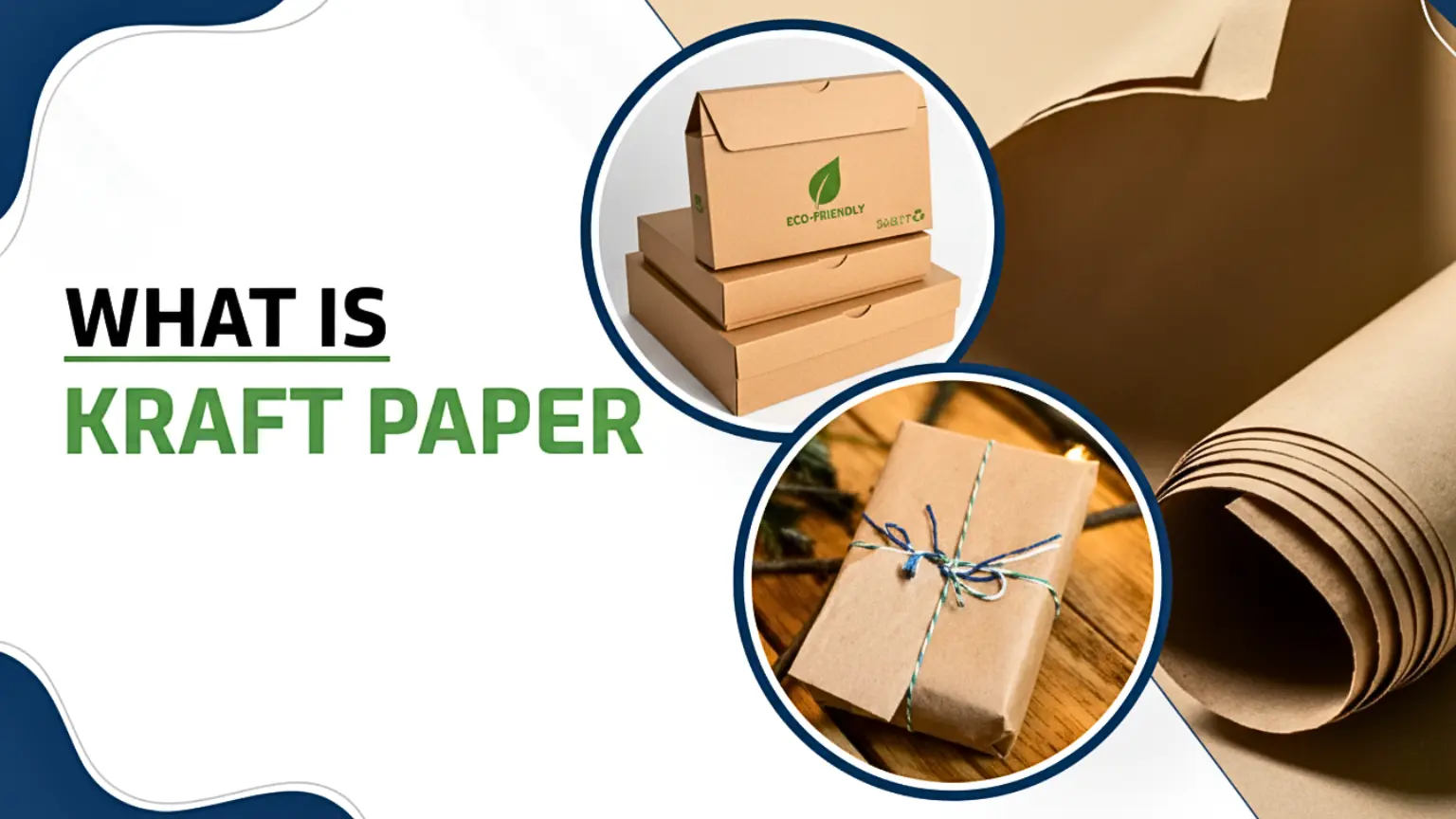
Kraft paper is a strong, durable paper made from wood pulp using a process designed to keep fibres long and tough. It’s best known for its natural brown colour, high tear resistance, and widespread use in packaging, wrapping, and eco-friendly products across the UK.
In short:
Kraft paper = strong paper for packaging, protection, and sustainability
Why Is It Called “Kraft” Paper?
The word “kraft” comes from German and means “strength” which perfectly describes the material.
Kraft paper is produced in a way that preserves the natural strength of wood fibres, making it much stronger than standard white or recycled papers.
Key Characteristics of Kraft Paper
1. High Strength & Durability
- Resistant to tearing and punctures
- Holds weight well
- Ideal for shipping and wrapping
2. Natural Brown Appearance
- Rustic, minimal, and “eco” look
- Popular with UK brands focused on sustainability
- Can be printed, stamped, or branded easily
3. Eco-Friendly & Recyclable
- Widely recyclable in the UK
- Often made from virgin pulp, recycled fibres, or a mix
- Biodegradable when uncoated
4. Breathable Material
- Allows airflow (useful for food, plants, and storage)
- Less moisture trapping than plastic
Common Uses of Kraft Paper in the UK
Packaging
- Shipping boxes (kraft cardboard)
- Void fill and packing paper
- Wrapping fragile items
- Mailer boxes and inner wraps
Retail & eCommerce
- Paper carrier bags
- Product wrapping
- Tissue alternatives
- Branded packaging with stamps or stickers
Food & Hospitality
- Sandwich wraps
- Bakery bags
- Takeaway packaging (often grease-resistant versions)
Creative & Office Use
- Craft projects
- Sketching and drawing
- Presentation wrapping
- Stationery
Types of Kraft Paper (Important)
1. Virgin Kraft Paper
- Made from new wood pulp
- Strongest type
- Used for heavy-duty packaging
2. Recycled Kraft Paper
- Made from recycled paper fibres
- Slightly less strong
- More environmentally friendly
3. Bleached Kraft Paper
- White in colour
- Still strong but more refined
- Used when a clean look is needed
4. Coated Kraft Paper
- Treated for grease or moisture resistance
- Common in food packaging
- May affect recyclability (depends on coating)
Kraft Paper vs Normal Paper
| Feature | Kraft Paper | Standard Paper |
| Strength | Very high | Low–medium |
| Colour | Brown (natural) | White |
| Eco perception | Strong | Neutral |
| Packaging use | Excellent | Poor |
| Tear resistance | High | Low |
Is Kraft Paper Recyclable in the UK?
Yes, in most cases.
- Plain, uncoated kraft paper → recyclable at home
- Kraft paper with plastic or wax coating → may not be recyclable
- Always advise customers to check local council rules
Tip for businesses:
If sustainability matters to your brand, clearly state “This packaging is recyclable” on inserts or product pages.
Why Small UK Businesses Love Kraft Paper
- Affordable
- Lightweight (helps reduce postage costs)
- Looks premium without luxury pricing
- Aligns with eco-conscious customer expectations
- Easy to brand without expensive printing
FAQs
Is kraft paper waterproof?
No. Plain kraft paper is not waterproof, but coated versions can resist moisture.
Is kraft paper better than plastic?
For many uses, yes—especially for sustainability and branding. Plastic may still be required for moisture-sensitive products.
Can you print on kraft paper?
Yes. Black, dark green, and white inks work especially well.
Final Summary
Kraft paper is a strong, versatile, and eco-friendly paper widely used in UK packaging, retail, and shipping. It’s ideal for small businesses that want packaging that’s practical, affordable, and environmentally responsible.